Most people searching for an AI ad copy generator have already tried the obvious move: paste a product description into ChatGPT and ask for "10 Facebook ad headlines." It works for about a week. Then the headlines start to blur together, the hooks stop matching funnel stage, and nothing in the output is shaped for Meta's placements or your brand's voice. A real ad copy generator solves a narrower, harder problem than general writing. It has to produce copy that is testable, on-brand, and built for how people actually scroll past ads on Facebook and Instagram.
What makes an AI ad copy generator different from a general AI writer
A general-purpose model like ChatGPT or Claude writes clean sentences. What it lacks is a built-in sense of what a scroll-stopping hook looks like on an Instagram Reel versus a feed static, or how much primary text fits before Meta truncates it. Dedicated ad copy tools are built, or prompt-engineered, around ad structure: hook, body, CTA, with variants tied to funnel stage (cold awareness, retargeting, cart abandonment).
The difference shows up in three places. First, hook variety: a dedicated tool should give you pattern-interrupt openers, curiosity gaps, and direct-offer hooks as distinct categories, not reworded versions of one sentence. Second, funnel awareness: a good tool lets you specify top or bottom of funnel and changes the copy's structure, not just its tone. Third, format fit: copy for Meta should respect primary text length and headline limits, and it should front-load the message, because the opening line or two is often all people see before the "see more" tap.
Key criteria for judging ad copy tools in 2026
Before comparing platforms, set the grading rubric. "Does it sound decent" is not a rubric.
- Hook variety per generation: how many genuinely distinct angles, not synonyms, does one input produce?
- Funnel-stage coverage: can you generate cold, warm, and retargeting copy from the same brief without starting over?
- Brand voice control: can you feed it a style guide, past top performers, or tone settings, and does the output actually shift?
- Meta-specific formatting: does it respect primary text and headline limits, and does it think in placements (feed, Stories, Reels)?
- Workflow fit: does copy flow into a creative or testing pipeline, or do you export to a doc and match it to images by hand?
The point: copy quality is necessary but not sufficient. If your tool can't hand off variants in a format that pairs easily with creative and testing, it is just generating a longer to-do list.
AdCreative.ai vs Jasper vs Lapis for ad copy generation
These three get compared constantly because they sit in different corners of the same job: turning a product or offer into ready-to-run Meta ad copy. Here is how they differ when you push on headline quality, voice control, and funnel coverage instead of reading feature lists.
AdCreative.ai
AdCreative.ai pairs copy generation with its creative and banner engine, so headlines and body copy arrive bundled with design variants. The copy is serviceable and offer-led. It is strongest on direct-response, lower-funnel angles like discounts, urgency, and feature callouts, and thinner on nuanced brand voice or inventive pattern-interrupt hooks. It is built for volume: dozens of ad combinations, fast. For a closer look at where it holds up and where teams hit limits, see the AdCreative.ai alternatives comparison.
Jasper
Jasper is a general marketing writer with ad templates layered on top. Its strength is brand voice. The Brand Voice feature lets you ground outputs in existing content, which matters if you write for an established brand with a distinct tone. The tradeoff: Jasper wasn't built ad-platform-first. Expect more manual work shaping output into Meta-ready formats, and expect to prompt for funnel-stage structure explicitly each time. The side-by-side lives at AdGenz vs Jasper.
Lapis
Lapis sits closer to a full ad-creation workflow, generating copy alongside creative concepts rather than as standalone text. For teams that want copy and visual direction considered together from the first draft, that integration is the draw. The thing to scrutinize is hook diversity: across a batch, how many truly different angles do you get versus restatements of one idea? Full comparison at AdGenz vs Lapis.
| Tool | Copy strength | Where it's weaker |
|---|---|---|
| AdCreative.ai | Fast, offer-led copy bundled with creative variants | Limited brand voice depth, fewer true hook angles |
| Jasper | Strong brand voice control via trained style | Not ad-platform-native; more manual formatting |
| Lapis | Copy generated alongside creative direction | Hook variety can thin out across large batches |
Each tool optimizes for a different part of the job. None of the three fully owns copy, voice, and Meta formatting at once.
Where generic AI copy tools fall short for Meta ads specifically
This gap catches most teams off guard. Many general ad-copy tools, including free generators built for Google Ads such as HubSpot's AI Google Ads Copy Generator and Copy.ai's free ad copy tool, are tuned for search intent and keyword-driven headlines. Meta is a different discipline. There is no query to answer, only a scroll to interrupt.
One widely shared independent test ran Anyword, Writesonic, ChatGPT, Rytr, and HubSpot against a brief for a fictional sleep app called "Sleepwell." It found clear differences in how human the output sounded and how usable the headlines were without editing, even though the brief followed Google Ads conventions. The lesson for Meta advertisers: search-tuned tools tend to produce copy that reads like a value proposition rather than a hook. Search ads compete with other search results. Meta ads compete with a friend's vacation photos.
Discussions in performance-marketing communities, including r/googleads threads evaluating AI ad tools, often voice the same complaint: general tools are fine for first drafts but struggle at scale, when you need dozens of distinct angles instead of three ideas reworded. That failure hurts Meta advertisers most, since creative diversity is a large part of how Meta testing finds winners.
Search ads win by matching intent. Meta ads win by interrupting a scroll, and that takes a different muscle from keyword copywriting.
How to pair AI-generated copy with creative testing frameworks
Copy alone doesn't win on Meta. It wins or loses in combination with the visual, the format, and the hook sequencing inside a structured test. The highest-leverage move is to treat copy generation as one input into a testing matrix, not the final deliverable.
A practical sequence for turning AI copy into something you can test:
- Generate by angle, not by volume. Ask for copy against 3-4 distinct angles (price, social proof, pain point, aspiration) instead of 20 variations of one idea.
- Score hooks before you build creative. Rate the first line of each variant on one question: does it stop a scroll, or does it just describe the product?
- Match copy to format deliberately. A punchy four-word hook suits a 9:16 Reel. A benefit-led headline with more context often fits a 1:1 feed static better.
- Build a real test matrix. Cross your top angles with your formats and hook variants so each ad set isolates one variable.
- Feed winners back into the prompt. Once an angle or hook style wins, regenerate using that pattern as the seed, not a blank brief.
Key takeaways
- General AI writers handle first drafts but weren't built for Meta's hook-first, scroll-interrupting format.
- AdCreative.ai, Jasper, and Lapis each solve a different piece: volume, voice, or copy-plus-creative integration.
- Copy generation pays off only when it feeds a structured testing matrix across angles, formats, and hooks.
Choosing the right tool for your team size and volume
There is no single best tool. The right pick depends on how much copy you need and how tightly it must match an established voice.
Solo operators and small teams running fewer than 15-20 ads a month can usually get by with a voice-focused tool like Jasper plus some manual formatting. Volume is low, and consistency matters more than output. Agencies running dozens of clients and hundreds of variants a month get more from a volume tool like AdCreative.ai, which compresses copy-plus-creative production even if you rewrite the occasional headline for voice.
If your bottleneck is the handoff, meaning the copy is decent but turning it into testable ad sets takes too long, that is the gap AdGenz is built to close. It generates copy and creative together as ready-to-test assets instead of two outputs you reconcile by hand. For the creative side of the same decision, see the companion piece on best AI ad generators for small business.
The bottom line
Treat AI ad copy generators as angle-and-hook machines, not a substitute for strategy. The tools worth paying for in 2026 respect Meta's format constraints, give you real control over brand voice, and hand off copy in a shape that pairs cleanly with creative for testing. Before committing, run a small side-by-side with your own product brief. The differences between AdCreative.ai, Jasper, and Lapis are real, but they only matter in the context of how your team actually ships ads.
Put this into practice
Generate on-brand Meta ads — angles, formats, hooks and copy — in minutes.
Start freeFrequently asked questions
Purpose-built ad copy tools are designed around ad structures: hook, body, CTA, funnel stage, and the character limits of Meta placements. Many also connect copy output to creative or testing workflows. General writers produce solid prose but need manual reformatting before they become testable ad variants.
That depends mostly on how much brand input you give the tool. Tools that accept brand voice guides, past high performers, or a style sample usually get closer to on-brand than tools that only take a product URL.
At low volume, roughly under 20 ads a month, one combined tool is usually faster and cheaper. At higher volume, pairing a dedicated copy engine with a creative-generation tool like AdGenz often gives broader testing coverage for the spend.
Keep reading
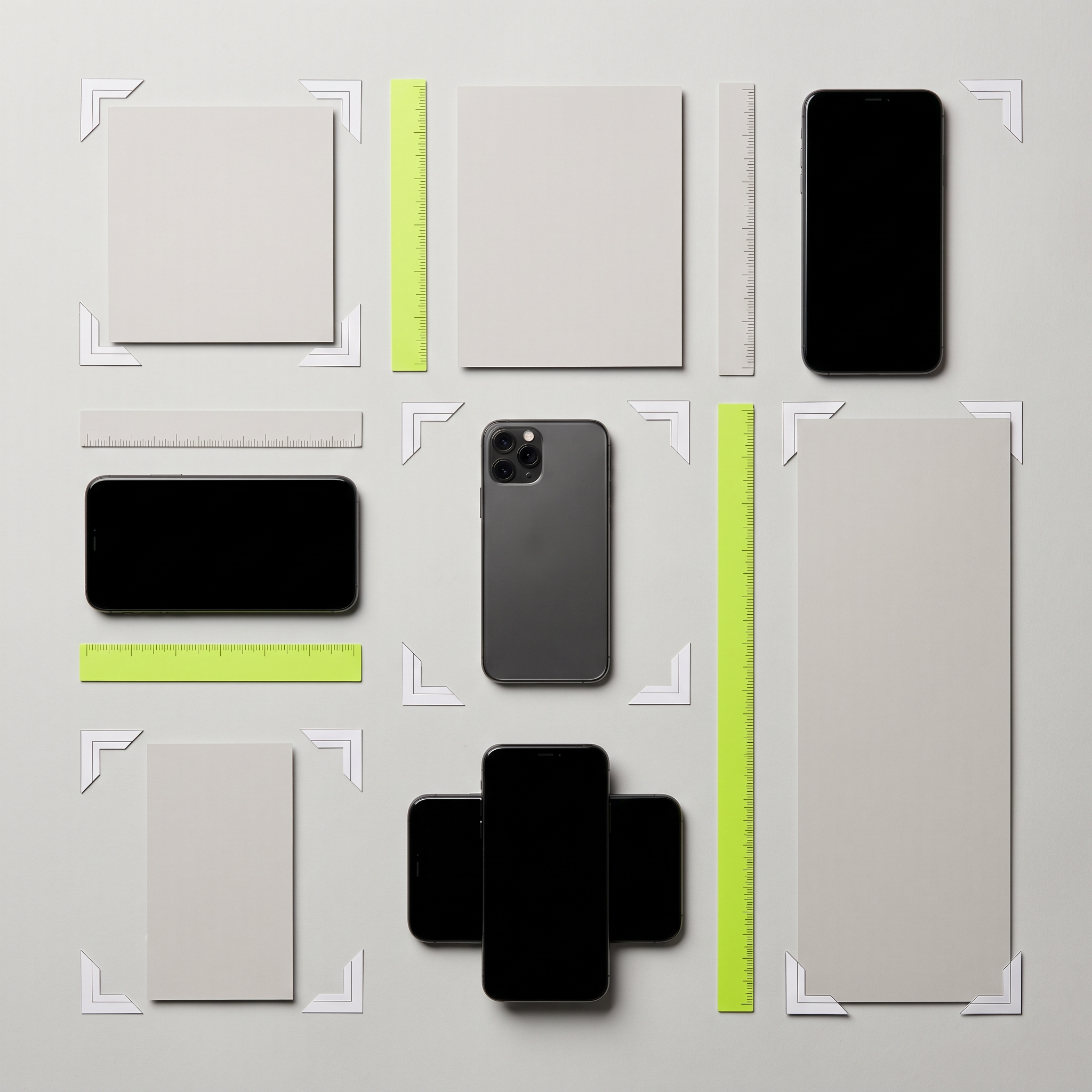
Facebook & Instagram Ad Format Specs Guide (2026): Sizes, Placements, and Best Practices
A definitive 2026 reference for Facebook and Instagram ad dimensions, safe zones, and file specs across Feed, Reels, Stories, and Advantage+ placements.
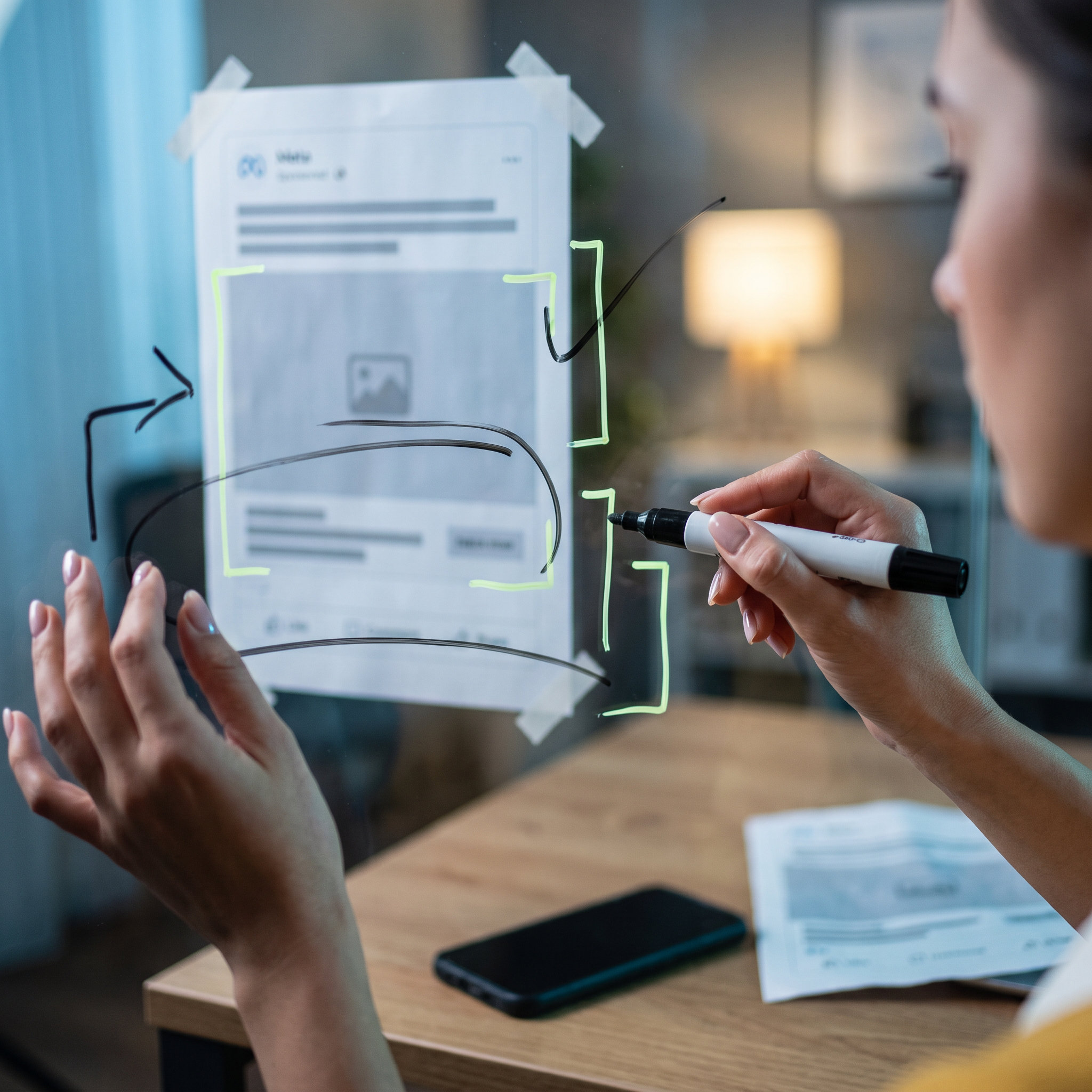
Ad Copywriting Formulas That Still Work in 2026 (With Real Meta Ad Examples)
PAS, AIDA, BAB, FAB and FOMO, rebuilt for Meta's creative-first algorithm, with example ad copy mapped to each funnel stage.
AI-Generated Ad Disclosure Labels: What Meta's Rules Mean for Your Facebook & Instagram Ads
Meta labels AI-edited ad creative. Here's what triggers the tag, whether it hurts performance, and how to stay compliant at scale.