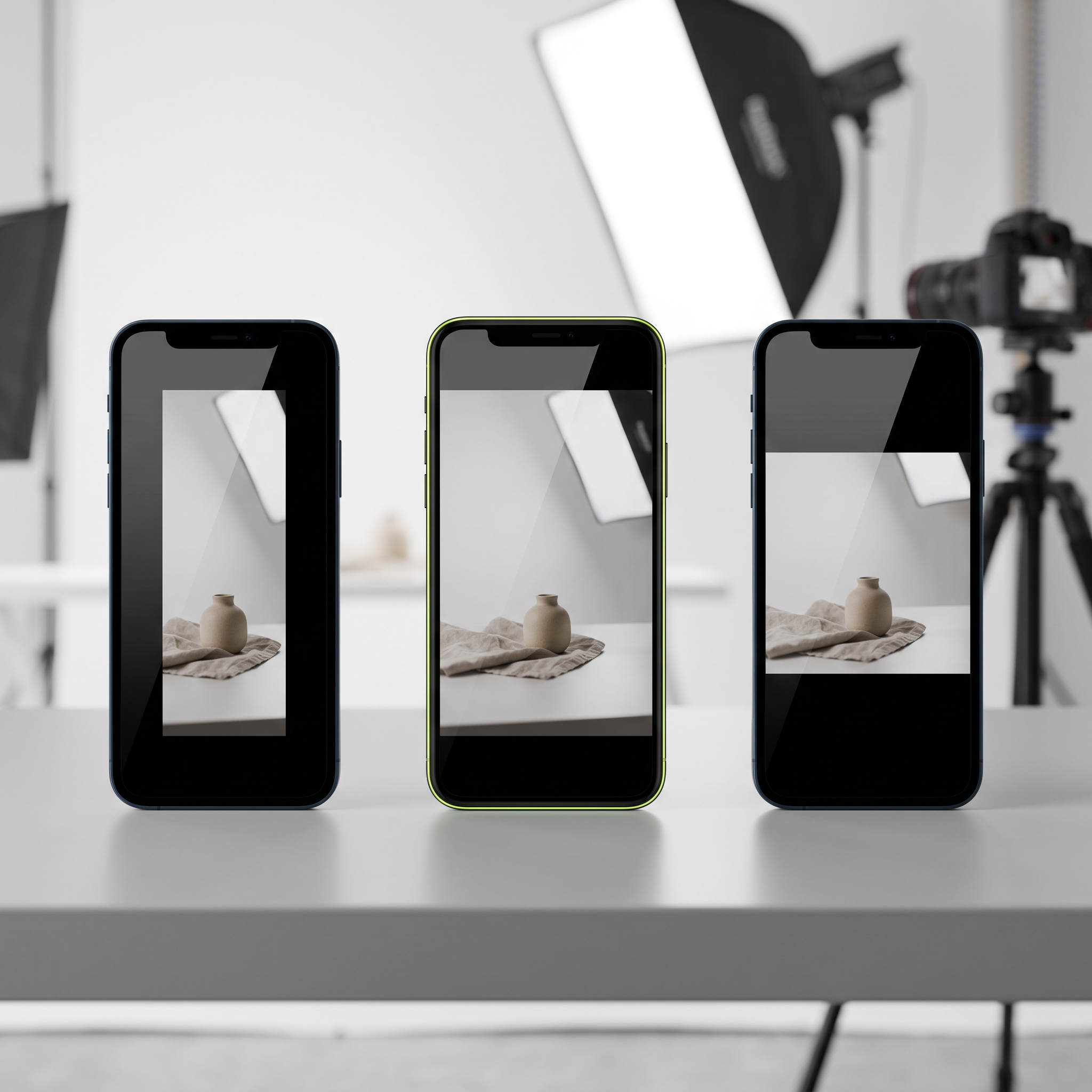
Most brands build one ad, push it to every Instagram placement, then wonder why Reels lags Feed. Instagram is not a smaller Facebook. It's a Reels-first, vertical-native, sound-off-then-on environment with its own attention economics, and creative that ignores that gets punished in both delivery and CPMs. This guide breaks down how Reels, Stories, and Feed behave differently, which specs actually matter in 2026, and how to adapt winning creative without starting from zero.
Why Instagram creative needs different rules than Facebook feed
Facebook feed is still a desktop-and-mobile hybrid, browsed with intent, usually sound-off but with attention that lingers longer per post. Instagram, especially Reels, is consumed in a full-screen, thumb-flick state where the viewer decides to stay or swipe inside the first second. The two share an ad auction and often a campaign structure, but they do not share a viewing behavior, and that gap is where most wasted spend lives.
Instagram Feed technically supports the same aspect ratio range as Facebook, from 1.91:1 landscape to 9:16 vertical. But taller media that isn't formatted properly gets auto-cropped, which routinely clips text overlays or product shots sitting near the edges. Reels and Stories offer no such flexibility. They're full-screen vertical experiences, and anything not built for 9:16 shows up letterboxed, small, and weaker than the organic content around it. If your ad looks like an ad because of its shape alone, you've lost part of the audience before the message lands.
The point: on Instagram, a format mismatch is a creative failure before the message is even a factor. A great hook in the wrong shape still loses.
Reels vs Stories vs Feed: the real spec and behavior differences
Treat these as three creative briefs, not one asset reshaped three times. Here's how they differ in practice, beyond the spec sheet.
Reels
Full-screen 9:16, sound-on for a large share of viewers, and judged against an organic feed of fast-cut, native-style content. Reels ads get the least benefit of the doubt. If the first frame looks like a commercial, the swipe happens instantly. The Reels ads that work mimic the pacing, framing, and even the slight imperfection of organic Reels, then use that trust to land a clear offer.
Stories
Also full-screen 9:16, but consumed in a tap-through sequence rather than an infinite scroll. Viewers choose to stay or tap forward, which changes the psychology. Stories reward interactive elements, poll stickers, countdown stickers, swipe-up urgency, and tolerate a more direct, promotional tone better than Reels because the format itself already reads as ephemeral and low-stakes.
Feed
Still supports 1:1 (1080x1080), landscape 1.91:1, and vertical up to 4:5 or 9:16, with a recommended file size under 30MB and captions capped at 2,200 characters, though shorter tends to perform better. Feed is the slowest-paced of the three, closer to traditional social browsing, and the one placement where a strong static image can still hold its own against video.
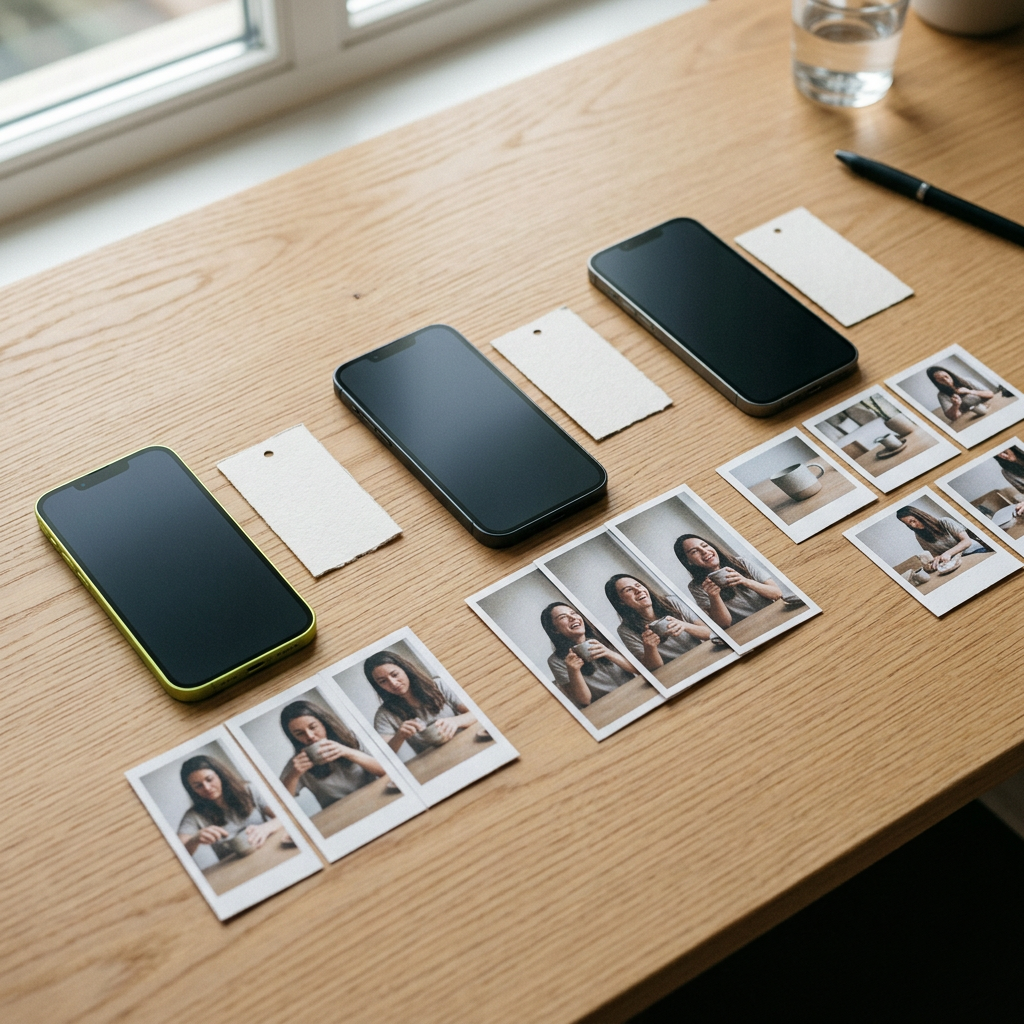
| Facebook Feed default | Instagram-native approach |
|---|---|
| 1:1 static, built once for all placements | 9:16 built first, adapted down for Feed |
| Sound-off assumed throughout | Sound-on hook for Reels, captions layered for safety |
| Polished, brand-forward opening frame | Native, organic-feeling first 1-2 seconds |
| CTA placed at the end only | CTA reinforced early and via Stories stickers mid-flow |
The same offer, adapted for how each placement is actually watched.
Hook strategy for a scroll-fast, sound-off audience
Instagram users, particularly on Reels, make the keep-or-swipe call faster than almost any other Meta ad environment. So the hook isn't the first three seconds anymore. It's closer to the first frame. Open on a logo, a slow zoom, or an establishing shot, and you've burned the moment that mattered most.
Three hook principles hold up consistently on Instagram in 2026:
- Open mid-action or mid-sentence. Skip the setup. Start on the payoff, the surprising claim, or the visual that doesn't look like an ad, then explain in the next beat.
- Caption everything, but don't rely on captions alone. Sound-off viewing still happens, especially in Feed, while Reels tends to see higher sound-on rates than most advertisers assume. Write the hook to work both muted and with sound.
- Match the native grammar of the placement. Reels hooks should look like something a creator filmed, not something a studio produced. Stories hooks can be more direct, since the format already signals that promotional content is normal there.
If you haven't systemized hook testing yet, the framework in this hook breakdown still applies structurally, but the delivery has to shift for Instagram's faster, more visual-first attention pattern. The hook types don't change nearly as much as the pacing and framing of them do.
On Instagram, the hook isn't a sentence. It's a frame. You have under a second to look like something worth watching.
Repurposing Facebook winners for Instagram without losing performance
You don't need a separate creative pipeline for every placement, but you do need a deliberate adaptation pass rather than a blind reformat. A Facebook feed winner usually earned its results through a pacing and framing decision that assumed a slower-scrolling, sound-off viewer. Push that same file into Reels untouched and you're asking a fast-scroll audience to sit through a slow-scroll edit.
The adaptation checklist that preserves performance instead of diluting it:
- Re-crop, don't just letterbox. If the original was shot in 1:1 or 4:5, find the visual focal point and reframe to 9:16 so the subject fills the vertical frame, rather than shrinking the whole asset into a bordered box.
- Trim the intro. Facebook winners often carry a few extra seconds of setup that a slower audience tolerated. Cut straight to the hook frame for the Reels version.
- Re-record or overlay a native-style opening. If the original hook was a graphic or text card, add 2-3 seconds of handheld, native-feeling footage before it on the Reels version, since a graphic-first open reads more clearly as an ad in that placement.
- Keep the offer and proof points identical. The message that converted doesn't need reinvention. It's the wrapper, pacing, and framing that change, not the underlying angle.
This is where a broader creative strategy earns its keep. If your testing framework is built around angles rather than single assets, as outlined in this creative strategy guide, repurposing becomes a matter of reformatting proven angles rather than restarting the testing cycle for every placement.
Common Instagram-specific creative mistakes
A handful of mistakes show up again and again in accounts that otherwise run solid Facebook creative. Watch for these when adapting for Instagram.
- Text-heavy image ads. Minimal on-image text preserves the visual's impact and tends to perform better across Instagram placements, where the aesthetic bar set by organic content runs higher than on Facebook.
- Ignoring Stories stickers. Polls, countdowns, and question stickers are native interactive elements that signal authenticity and can lift engagement, yet they're routinely left out of Stories ads that are just repurposed Feed statics.
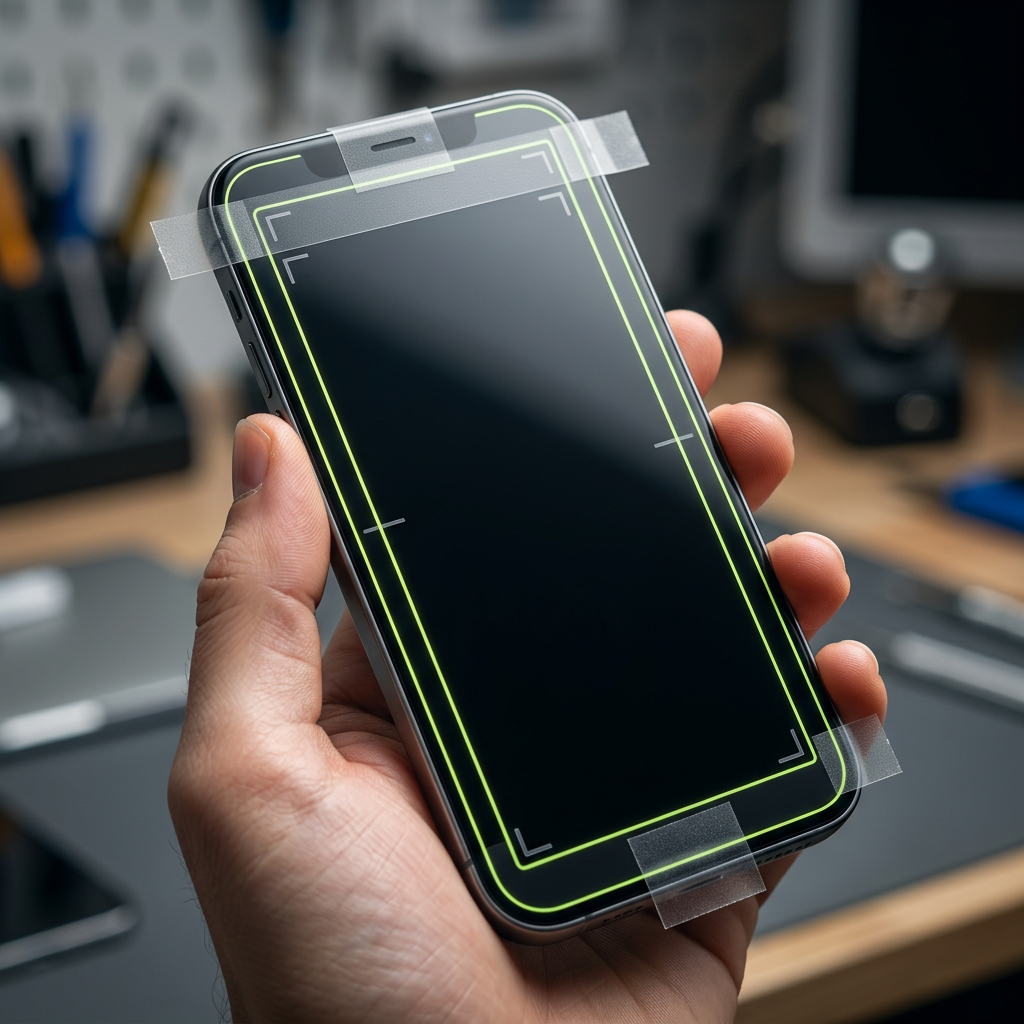
- Safe zones ignored. Reels and Stories both reserve space at the top and bottom of the frame for platform UI, profile info, and captions. Key text or CTAs placed too close to the edges get obscured.
- One aspect ratio for every placement. Feed's tolerance for 1:1 doesn't extend to Reels or Stories. Build 9:16 first and adapt down to 1:1 or 4:5 for Feed, not the reverse.
- Assuming Reels behaves like Facebook video. If you're still ranking formats through a Facebook-only lens, it's worth revisiting how the two platforms differ structurally, which this formats ranking covers in more depth for the Facebook side.
Key takeaways
- Build 9:16 first for Reels and Stories, then adapt down to Feed's 1:1 or 4:5, not the other way around.
- The hook has to land in the first frame on Reels, since the keep-or-swipe decision happens almost instantly.
- Repurposing Facebook winners works best when you re-crop, trim, and reframe for native pacing, not just resize the file.
Bringing it together
Instagram rewards creative that respects how each placement is consumed. Reels wants native pacing and an instant hook. Stories wants interactivity and a more direct tone. Feed still has room for a strong static image built at the right ratio. None of this demands a bigger production budget. It demands a different brief per placement and a willingness to reformat rather than reuse. Get that right and the same core angles that worked on Facebook can perform just as well, sometimes better, once they're built for how Instagram actually watches.
Put this into practice
Generate on-brand Meta ads — angles, formats, hooks and copy — in minutes.
Start freeFrequently asked questions
You can, but you'll leave performance on the table. Instagram skews vertical, sound-off-then-on, and Reels-dominant, so a 1:1 static built for Facebook feed often gets cropped or ignored. Reformat to 9:16 with a native-feeling hook and it usually outperforms the reused asset.
9:16 for Reels and Stories, since it fills the entire screen with no letterboxing. Feed still supports 1:1 up to 9:16, but vertical assets get more real estate and typically perform better across placements, so building 9:16 first is the safer default.
Aim for 6-15 seconds for cold-audience prospecting, with the hook resolved in the first second. You can go longer, 20-30 seconds, for retargeting or product-education angles where the audience already has some context.
Keep reading
Facebook & Instagram Ad Format Specs Guide (2026 Update)
Every 2026 Meta ad spec that matters, tied directly to CTR, creative fatigue, and how to pick formats by funnel stage.

Meta Ads Common Pitfalls in 2026: A Diagnostic Guide to Fixing Underperforming Campaigns
A self-audit framework for the 7 recurring Meta Ads mistakes hurting performance in 2026, from creative afterthoughts to Advantage+ misuse.

Meta Advantage+ Creative in 2026: What's Actually Automated vs. What You Still Control
What Meta's Advantage+ Creative actually automates in 2026, where brand-controlled creative input still wins, and how to close the trust gap.