

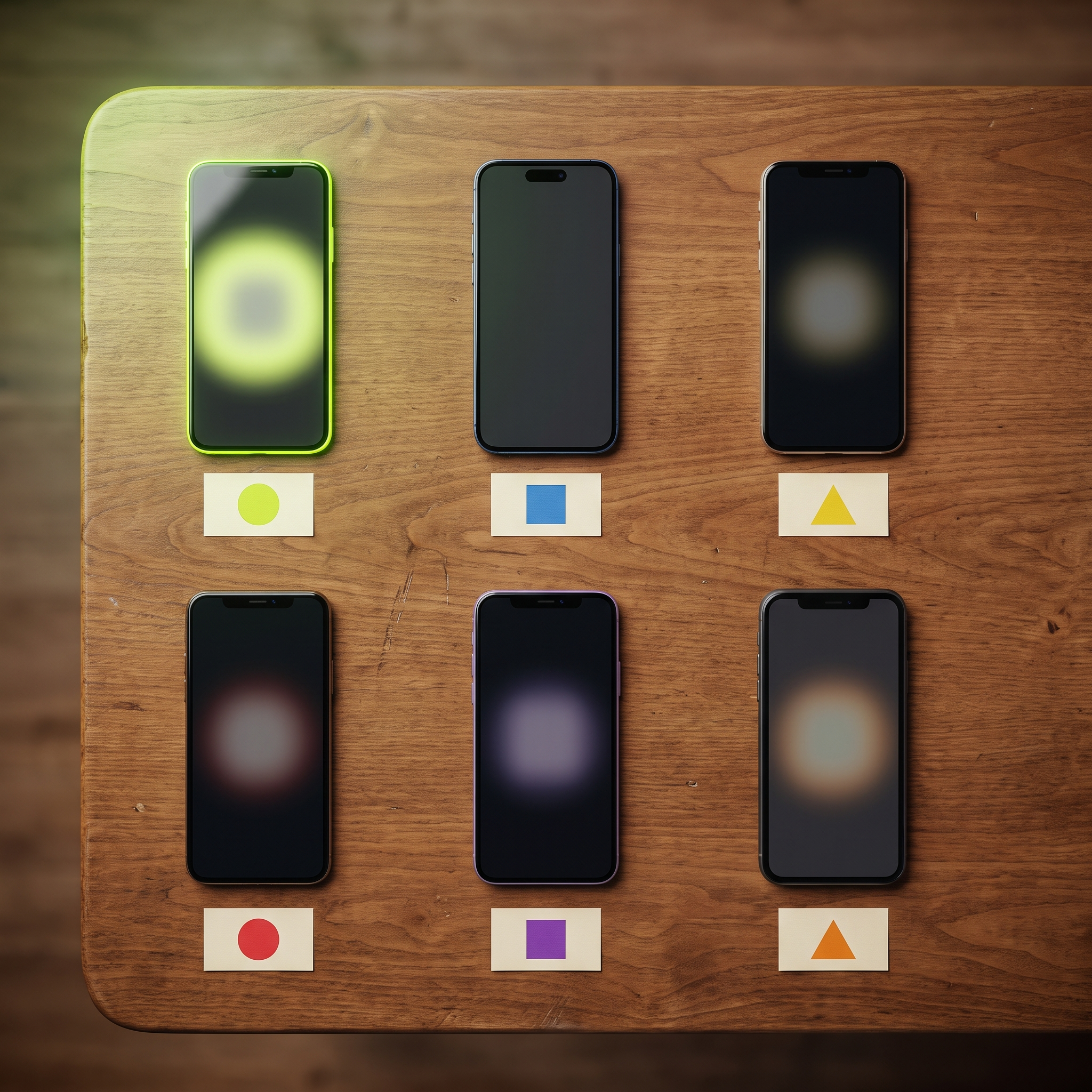
Meta gives advertisers 11 distinct ad formats in 2026, and most media buyers still pick one out of habit rather than fit. That's a costly reflex. Format choice can move cost per result meaningfully before a single word of copy or a targeting decision enters the picture. This ranking is built from what's converting across DTC and lead-gen accounts right now, not from a spec sheet.
Why Format Choice Is a Bigger Lever Than Most Advertisers Realize
Every media buyer obsesses over hooks, targeting, and bid strategy. Fewer stop to ask whether the format itself is fighting the goal. A single video ad chasing a cold click on a $180 skincare product behaves nothing like a static catalog image doing the same job to a warm retargeting audience. The delivery mechanics differ, the attention economics differ, and the algorithm treats them differently at auction.
Format is also the fastest lever to pull when a campaign plateaus. Swapping an angle or offer takes days of production. Rewrapping an existing angle, going from static to video or video to carousel, happens in an afternoon and often reveals whether the creative itself is exhausted or just packaged wrong. When frequency climbs and CPMs creep, that's usually the format-and-hook combination signaling it's done. Worth reading alongside this: our breakdown of facebook ad fatigue and how to spot it before it tanks your account.
The 2026 Meta Creative Format Landscape: What's Available and What's Changed
Meta now runs 11 formats across Facebook and Instagram: single image, single video, carousel, collection, Reels, Stories, Advantage+ catalog (dynamic product ads), Messenger ads, slideshow, playable ads, and Instant Experience. Two changes matter for anyone planning a 2026 creative calendar. First, Meta folded flexible ads and collection out of the top-level format picker and into "Format display options," so the platform increasingly auto-selects presentation based on placement rather than letting you lock a single static layout. Second, campaign objectives dropped from 11 to 6: Awareness, Traffic, Engagement, Leads, App Promotion, and Sales. Fewer objectives means format selection now carries more of the strategic weight it used to share.
The practical takeaway: you can't fully control which crop or layout a user sees anymore, especially in Advantage+ placements. What you control is the source asset, the aspect ratio, and the number of variants you feed the system. That's exactly why format-level testing discipline matters more in 2026 than it did three years ago.
Static Image Ads: Still Underrated or Finally Dead?
Static is not dead. It's the most misunderstood format on the board, because everyone assumes video has categorically won. In practice, static images still post some of the lowest cost-per-click numbers in retargeting and Advantage+ catalog campaigns, where the audience already knows the product and needs a clean visual nudge plus a price or offer. For B2B lead gen, a well-designed static with a sharp value proposition and a form CTA often beats video on cost per lead, because the buyer isn't looking for entertainment. They're scanning for relevance.
Static struggles in cold-audience prospecting on Instagram feed and Reels placements, where the auto-play environment makes a still image feel flat by comparison. If your account is 80% cold prospecting, static shouldn't be your primary format. If it's split between prospecting and retargeting, static deserves at least a third of your creative budget on cost and speed alone.
The point: static image is the cheapest format to test at volume, which makes it the best tool for validating a new angle before you spend on video production for it.
Single Video Ads: The Workhorse Format, When and How to Make Them Win
Single video remains the default for cold-audience prospecting across DTC, and for good reason. It carries a hook, a problem-solution arc, and social proof in a single 15-30 second unit that performs across feed, Reels, and Stories without reformatting. The common mistake is treating the video as one asset instead of a hook-delivery system. The first 2-3 seconds decide whether the algorithm even gets a chance to optimize the rest, which is why hook quality outweighs production polish. For a deeper library of what's working, this guide to facebook ad hooks is worth building your next batch around.
Single video underperforms when it's treated as one-and-done. A 30-second video with one hook variant tends to fatigue in one to two weeks on moderate spend. The fix isn't a new video. It's re-cutting the same footage with 3-4 different opening hooks and re-uploading each as a separate ad unit. That alone often buys a winning creative another two to three weeks without touching production budget.
Carousel Ads: Best Use Cases for DTC Product and Storytelling
Carousel is the most underused format for DTC brands with multiple SKUs or a product that rewards a sequential reveal. It excels at three jobs: showing product range (colors, bundles, variants), walking through a before/after or step-by-step transformation, and stacking social-proof cards (review, review, review, offer) behind a hook card. Carousel also tends to resist frequency-driven fatigue better than single video, because users can scroll past cards they've seen without the whole unit feeling stale.
The failure mode is using carousel as a catalog dump with no narrative order. Each card should earn the swipe to the next. If card 2 doesn't build curiosity for card 3, cut the format and go static- or video-first instead.
| Format | Best for | Where it wins |
|---|---|---|
| Static image | Retargeting, catalog, B2B lead gen | Lowest cost to produce and test |
| Single video | Cold prospecting, hook testing | Best reach across feed, Reels, Stories |
| Carousel | Multi-SKU, sequential storytelling | Resists fatigue better than single video |
| UGC-style | Trust-building, skeptical niches | Highest trust signal at low cost |
| Reels-native | Younger audiences, high-ceiling scale | Best organic-feel reach when done right |
| AI-generated | Rapid iteration, hook testing at volume | Fastest turnaround for angle testing |
No format wins universally. Match it to funnel stage and audience temperature first.
UGC-Style and Authentic Creative: Why Lo-Fi Still Outperforms in Many Niches
The lo-fi, selfie-shot, unpolished UGC style continues to outperform studio production in categories where trust is the main conversion barrier: supplements, skincare, financial products, anything with a "does this actually work" objection baked in. It works because it reads as an unpaid recommendation rather than an ad, which lowers the viewer's guard before the pitch lands.
This doesn't mean sloppy. The best UGC-style ads still follow tight structure: a scroll-stopping hook in the first line, a specific and relatable problem, a demonstration or result, and a clear CTA. What they skip is studio lighting, professional voiceover, and polished b-roll. If your niche carries any skepticism, UGC-style should be a permanent line item in your format mix, not a one-off test.
The best UGC ads don't look like ads because they were built to look like a friend's recommendation first and a pitch second.
Reels Ads: The High-Ceiling, High-Effort Format Explained
Reels-native creative has the highest performance ceiling on this list, and the highest production bar to reach it. Ads that feel native to Reels, with fast cuts, trending audio, vertical framing, and text overlays synced to speech, can post strong watch-through and conversion rates because they don't fight the platform's native content style. Ads that are simply repurposed 1:1 video squeezed into a 9:16 crop tend to underperform, because viewers clock the mismatch instantly.
The effort tradeoff is real. Producing genuinely Reels-native creative at the volume needed for consistent testing is slow and expensive with traditional production. This is the format where teams either burn out their creative budget or lean on tools built for it, because manual editing to match trending pacing and captions doesn't scale past a handful of ads per week.
AI-Generated Creative: Quality, Speed, and Where It Fits in Your Format Mix
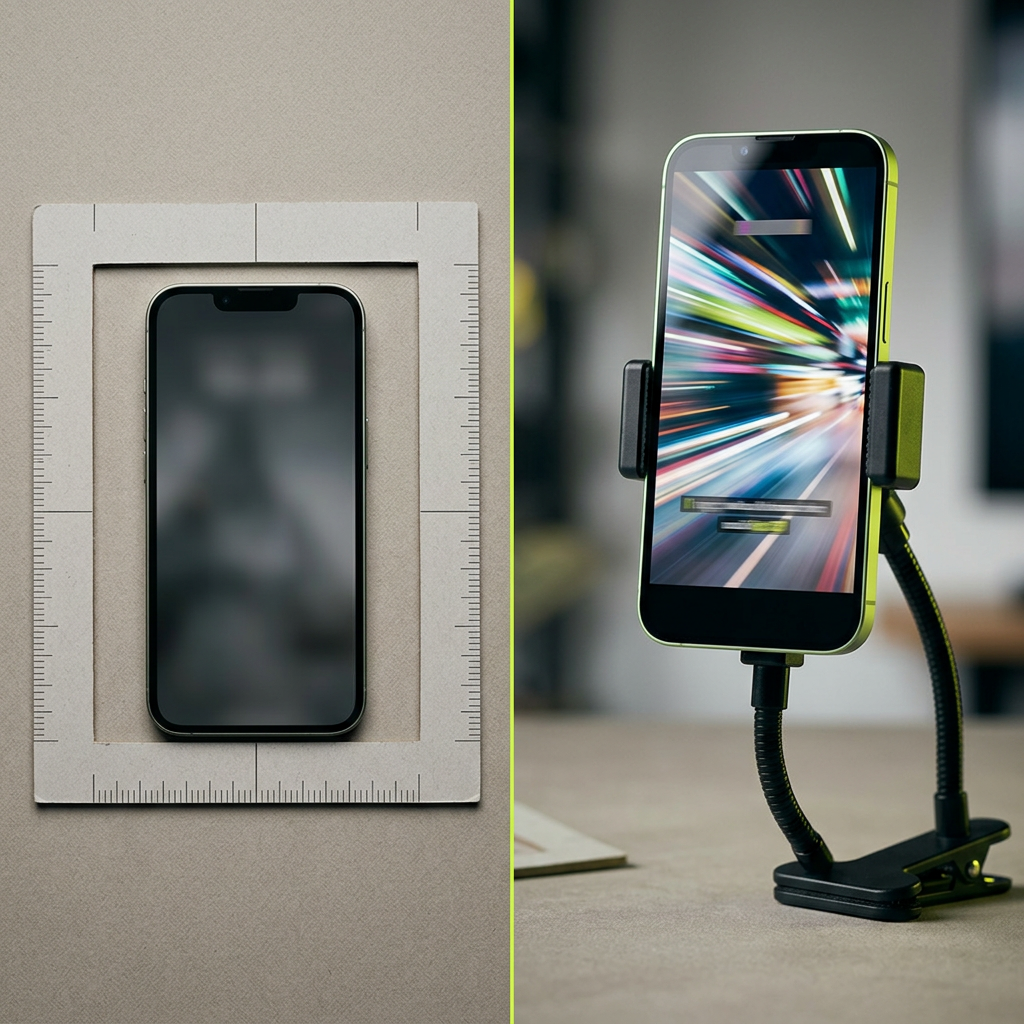
AI-generated creative earned its place in the mix in 2026, not by beating human-shot video on peak performance, but by collapsing the time between "new angle idea" and "live test" from days to hours. That speed matters more than most advertisers admit, because the accounts winning right now aren't the ones with the single best ad. They're the ones testing the most angles per week. Tools like Creatify's AI ad creative platform sit in this category, generating UGC-style and product-demo variations at a volume manual production can't match.
Where AI-generated creative still trails: nuanced emotional storytelling and niche-specific credibility cues that need a real, recognizable person presenting a real result. For angle and hook testing, though, AI-generated static and video variants are now good enough to be a primary tool rather than a stopgap, at a fraction of the cost of a traditional shoot.
Format Selection Framework: Matching Creative Format to Campaign Goal and Audience Temperature
Use funnel stage as the first filter, not the format you personally like best.
How to Test Formats Without Blowing Your Budget
Testing every format against every angle is how accounts burn through creative budget without learning anything. A tighter approach works better.
- Pick one angle. Lock the core message, problem, and proof point before touching format.
- Produce it in two formats max. Usually single video plus one of static, carousel, or UGC-style, depending on funnel stage.
- Run at equal spend for 5-7 days. Enough time for the algorithm to exit learning phase on both.
- Kill the loser, scale the winner with new hooks. Don't retest the same format matchup on the next angle. Apply what you learned.
- Refresh before frequency creeps past 3. New hook cuts on the same footage, not a full reshoot.
This structure mirrors what we cover in more depth in our facebook ad creative testing framework for 2026, including budget splits and how many concurrent tests an account of a given spend level can realistically support.
Key takeaways
- No single format wins across the board. Match format to funnel stage and audience temperature first, aesthetics second.
- Static image and carousel still outperform video in retargeting and catalog use cases. Don't retire them just because video trends dominate feeds.
- Reels-native creative has the highest ceiling but punishes repurposed content. Build for the placement or skip it.
- AI-generated creative earns its spot through speed and volume of testing, not by beating the best human-shot UGC on peak performance.
Conclusion
The advertisers winning in 2026 aren't the ones who found one perfect format and stuck with it. They're the ones who built a repeatable system for matching format to funnel stage, testing cheaply and fast, and killing losers before they drain budget. Static, video, carousel, UGC, Reels, and AI-generated creative all have a real job to do. The skill is knowing which job belongs to which format, and refusing to run a cold-prospecting video through your retargeting budget just because it happens to be sitting in your ad library.
Put this into practice
Generate on-brand Meta ads — angles, formats, hooks and copy — in minutes.
Start freeFrequently asked questions
There's no single winner. Single video ads with a UGC-style hook win most cold-audience prospecting campaigns, while static images still hold up for retargeting and Advantage+ catalog. Format choice should follow campaign objective and audience temperature, not trends.
Yes, especially for retargeting, catalog sales, and B2B lead gen where a clean product or offer shot outperforms video on cost per result. They're also the fastest and cheapest format to produce and test at volume.
Most accounts get the best signal testing 2-3 formats at a time against the same angle and hook, rather than spreading budget across all 11 Meta formats. Narrow the field, find what wins on your specific audience, then scale that format with new hooks.
Keep reading
Meta Ads Funnel Strategy: Matching Creative to TOF, MOF, and BOF
A stage-by-stage guide to building Meta ad creative that matches buyer intent, from cold scroll-stoppers to bottom-funnel closers.
Advantage+ Creative Isn't Working for Your Brand? Here's How to Fix It
A troubleshooting guide to finding out why Advantage+ creative underperforms or looks off-brand, and which settings to change.

Advantage+ Creative Isn't Killing Your Control: A Hybrid Workflow Guide
A practical hybrid workflow that pairs Advantage+ automation with deliberate, on-brand creative inputs so Meta personalizes your strategy instead of improvising one.